Anxiety and depression are different, but they often overlap and share many signs. Remember, you don’t have to suffer in silence. Reaching out to a caring, non-judgemental mental health professional gives you somewhere to voice your innermost thoughts and feelings, knowing they will be kept confidential and respectfully validated.
You will also learn practical, experiential tools for managing your emotions independently — so you can become more self-reliant and emotionally resilient over time.
Signs it may be time to reach out
- Persistent worry, fear or unease, or panic attacks
- Low mood or loss of interest lasting more than a few weeks
- Changes in sleep, appetite or weight
- Difficulty concentrating, or constant tiredness
- Feeling hopeless, or having thoughts of death or suicide — please seek help immediately (see the note below)
Understanding anxiety
Anxiety is a feeling of worry, unease, fear or doubt. It can show up in the body too, as a racing heart, difficulty breathing or a sudden feeling of coldness. Some anxiety in daily life is normal. It needs attention when fear becomes more intense, worry becomes persistent and everyday situations start to feel unmanageable. Left unaddressed, this can build into panic attacks that interfere with daily life.
Anxiety can follow major life events, but it can also grow out of everyday routines and circumstances, or experiences from childhood. It does not always stem from trauma or a particular tragedy.
Understanding depression
Depression affects how you feel, think and act. It can show itself as a loss of interest in things you used to enjoy, or a persistent unhappiness that you can’t explain. There are many forms, including post-partum, seasonal, major and chronic depression, so it is important to be properly assessed. If these feelings last longer than a few weeks, it is time to talk to a professional. Getting help early is always worthwhile.
How sessions can help
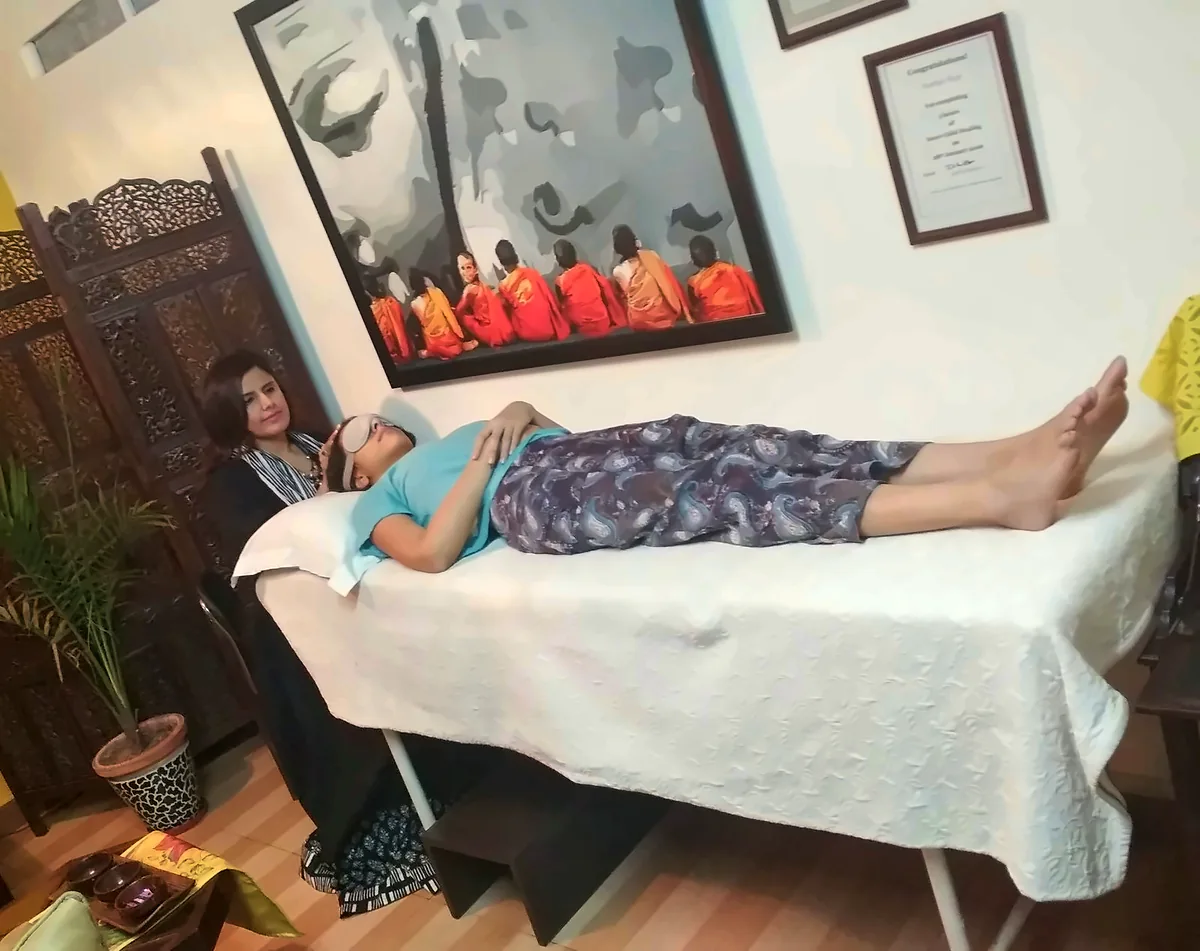
Effective care is personal. Depending on your needs, sessions may combine talking therapy such as CBT with mindfulness, guided meditation, visualisation, NLP or clinical hypnotherapy, and practical lifestyle changes.
Mind–body processes such as meditation, visualisation, NLP and clinical hypnotherapy work with the subconscious mind to address the root causes of anxiety.
Counselling does not replace medical care. Taanya does not prescribe medication; where it may help, she will encourage you to speak with your doctor or psychiatrist, and counselling can continue alongside any treatment they recommend.
Everyday steps that help
- Cognitive behavioural therapy: learning to process your thoughts differently
- Regular exercise, which releases endorphins that can lift your mood
- Social support from friends, family and colleagues
- Enough sleep and a healthy diet
- A daily habit that improves your lifestyle
- Honestly assessing your situation, and making choices that make you happier
Common questions
Yes. Many people feel significantly better with the right support — often a combination of counselling, healthy routines, good sleep and, where a doctor advises it, medication.
No. Counselling psychologists do not prescribe. If medication might help, you will be encouraged to consult a medical doctor or psychiatrist.
Changes in sleep, appetite or weight; losing interest in things you usually enjoy; frequent changes in mood; constant tiredness; and thoughts of death or suicide. If you notice these, please reach out.
Yes, it is widespread. Unfortunately many people don’t recognise the symptoms, which prevents early support.
Genetics can play a part in risk, but life experiences and lifestyle matter too. A family history does not mean you will necessarily experience depression.