Chakras Explained: A Practical Introduction
The chakra system comes from the Indian yogic and tantric traditions, where it is described as a set of energy centres running along the spine. It has since been absorbed into a great deal of Western wellness culture, often stripped of c...

“The chakra system comes from the Indian yogic and tantric traditions, where it is described as a set of energy centres running along the spine. It has since been absorbed into a great deal of Western wellness culture, often stripped of context and reduced to colour charts.”
Treatment & Support
The Seven Centres
Muladhara, the root, at the base of the spine — associated with safety, stability and basic survival needs.
Svadhisthana, the sacral, below the navel — associated with emotion, pleasure and creativity.
Manipura, the solar plexus, above the navel — associated with personal power, will and self-confidence.
Anahata, the heart, at the centre of the chest — associated with love, compassion, grief and connection.
Vishuddha, the throat — associated with expression and speaking truthfully.
Ajna, the brow or third eye — associated with insight, intuition and perception.
Sahasrara, the crown, at the top of the head — associated with meaning, transcendence and connection to something larger.

How the System Is Used in Practice
In practice the chakras function less as anatomy and more as a map of human concerns, which is a large part of why the framework has survived. Someone who cannot speak up at work, or who swallows what they want to say, is described as having a throat centre issue. Someone carrying unprocessed grief is described as closed at the heart.
Used this way it is a vocabulary for talking about where difficulty is held in the body — and people frequently do experience distress physically, in the chest, throat and stomach, exactly where the system predicts.
An Honest Word About What This Is
There is no anatomical structure corresponding to a chakra, and no measurable energy field of the kind described has been demonstrated. Anyone presenting the system as established physiology is overstating it.
What can reasonably be said is that it is a coherent traditional framework, that it maps onto real bodily experience of emotion, and that many people find working with it useful. As a way of paying structured attention to where you hold things, it has value. As a diagnostic system for disease, it does not, and should never delay medical assessment.

What Chakra Work Involves
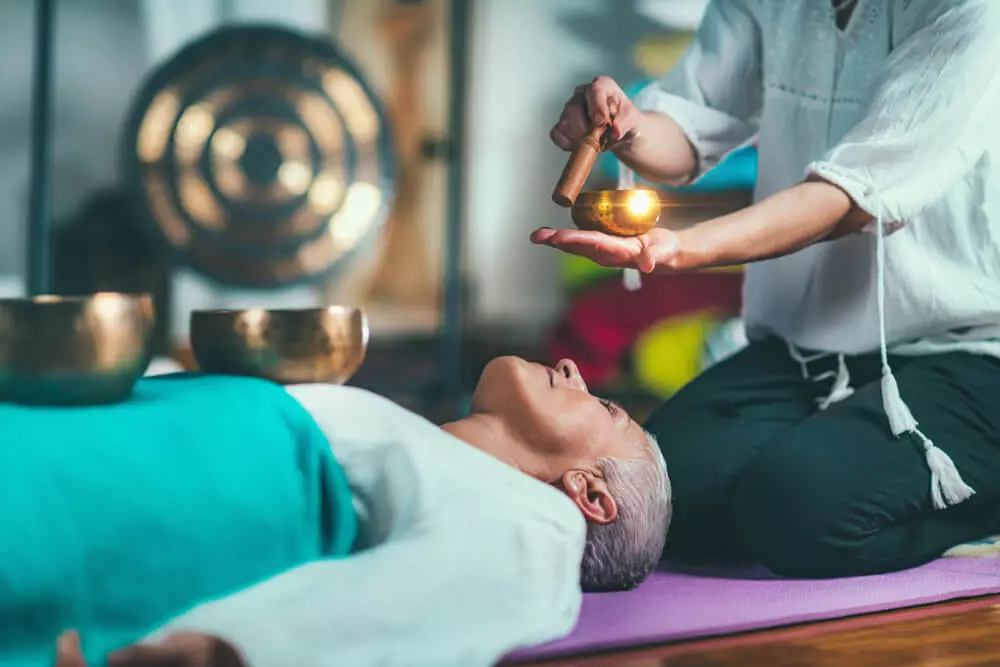
Typically guided meditation focused on each centre, breathing work, visualisation, sometimes colour or sound, and hands-on energy work such as Reiki. Sessions usually begin with whichever centre relates to what the person came in with.
25+
Years
5000+
Lives Touched
30+
Modalities
15+
Countries
Chakras Explained: A Practical Introduction Across Delhi NCR
Questions & Answers
Everything you need to know before booking your first session.
Can a chakra be blocked?+
Within the tradition, yes — and it is usually described in terms of a pattern of difficulty rather than a physical obstruction. Read as a description of where someone is stuck emotionally, it is often a recognisable and useful observation.
Do I need to be Hindu or practise yoga?+
No. The system originates in Indian tradition but is worked with by people of every background and belief.
Can chakra healing treat illness?+
It should not be relied on to. Use it as supportive practice alongside medical care, never instead of it, and be wary of anyone who tells you otherwise.
How does this relate to Reiki?+
They come from different traditions — Reiki from Japan, chakras from India — but are commonly used together, with practitioners working Reiki through the chakra positions. The combination is modern rather than traditional.
Related Reading