Panic Attack Treatment in South Delhi
A panic attack is one of the most frightening things a healthy body can do to you. Chest tightening, heart hammering, hands tingling, a certainty that you are about to die or lose your mind — and then, twenty minutes later, nothing. Sess...
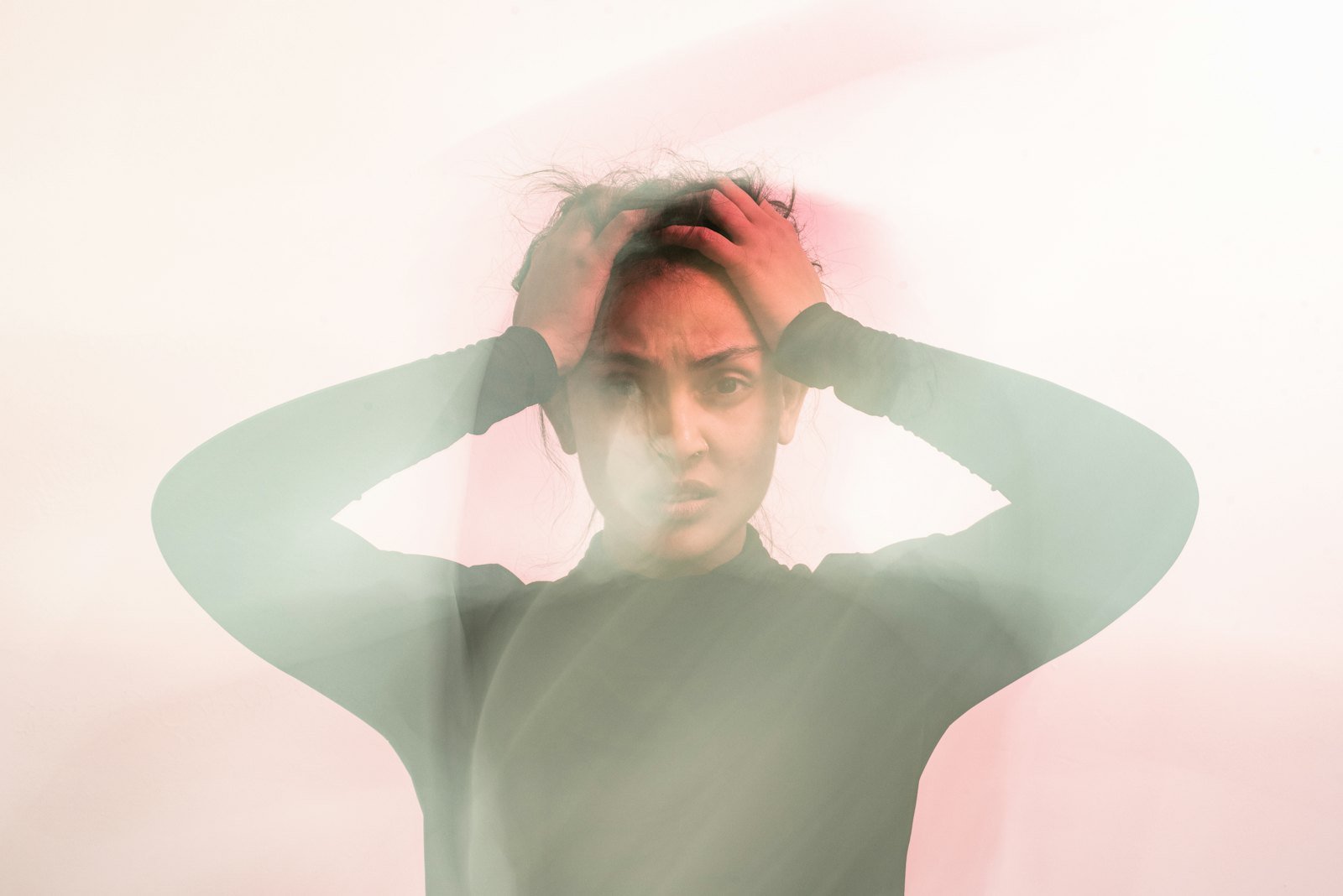
“A panic attack is one of the most frightening things a healthy body can do to you. Chest tightening, heart hammering, hands tingling, a certainty that you are about to die or lose your mind — and then, twenty minutes later, nothing. Sessions are available in person at Anand Niketan in South Delhi and online.”
Treatment & Support

What Is Actually Happening
A panic attack is a full-strength threat response firing when there is no threat. The system that would save your life if a car were coming at you has been triggered by something else entirely, and it is doing exactly what it is built to do — flooding you with adrenaline, speeding the heart, redirecting blood to the large muscles, driving the breath faster.
Every symptom that terrifies you is a normal part of that response. The tingling hands and lips come from breathing faster than your body needs. The chest tightness is muscle. The unreality is a known effect of the same surge. None of it means your heart is failing, and none of it means you are going mad.
This matters practically, not just as reassurance. Panic feeds on the belief that the sensations are dangerous. Once you genuinely understand what your body is doing, the fear of the sensation drops, and the attack loses most of its fuel.
The Cycle That Keeps It Going
Panic disorder is rarely about the first attack. It is about what happens afterwards.
The cycle is logical at every step, which is why intelligent people are just as prone to it. The work is on the cycle, not on your character.
- «You start scanning your body for early signs, which makes you notice ordinary sensations you would otherwise ignore
- «Noticing them produces alarm, which produces the very sensations you were watching for
- «You begin avoiding places where an attack would be embarrassing or hard to escape — the Metro, meetings, driving, crowds
- «Each avoidance teaches the brain that the place really was dangerous, so the list grows
- «You start carrying safety behaviours — water, medication in a pocket, a companion — which work in the moment and quietly confirm you could not have coped alone

How Sessions Work
- «Understanding the physiology properly, so the sensations stop reading as catastrophe
- «Breathing work — specifically slowing the out-breath, since over-breathing produces a large share of the frightening symptoms
- «Learning to let an attack peak and pass without fighting it, which is counter-intuitive and is the thing that finally breaks the cycle
- «Dismantling avoidance gradually and deliberately, at a pace you set
- «Identifying what the panic is attached to, which is often a stress, loss or pressure that has had nowhere else to go
- «EFT, hypnotherapy and guided relaxation where they help, alongside the counselling rather than instead of it
See a Doctor First
If you have not had chest pain and breathlessness checked medically, do that before anything else. Panic is a diagnosis of exclusion, and thyroid problems, cardiac issues and certain medications produce similar symptoms. Nothing here replaces that assessment.
If your attacks are frequent and severe, a psychiatrist may be worth involving alongside therapy. You will be told honestly if that is the case.
25+
Years
5000+
Lives Touched
30+
Modalities
15+
Countries
Panic Attack Treatment Across Delhi NCR
Questions & Answers
Everything you need to know before booking your first session.
Can a panic attack actually harm me?+
The attack itself is not physically dangerous in a healthy body — it is an ordinary stress response at full volume. That said, get the symptoms checked medically at least once so you know what you are dealing with.
How long does treatment take?+
Panic responds comparatively well and quickly. Many people notice a real difference within four to six sessions. Where there is long-standing avoidance to unwind, it takes longer, because rebuilding confidence in places you have avoided for years cannot be rushed.
Will I have to do the things I am afraid of?+
Eventually, yes — avoidance is what maintains the disorder. But at a pace you agree to, in an order you choose, and never as a surprise. Nobody will put you on a crowded Metro in week one.
Do I need medication?+
Many people recover without it. Some benefit from it, particularly when attacks are frequent enough to prevent them from engaging with therapy. That is a decision for you and a doctor; this practice does not prescribe.
What do I do during an attack right now?+
Do not fight it. Let it be there, slow your out-breath and make it longer than the in-breath, and remind yourself it will peak and fall on its own — they always do. Fighting it adds adrenaline, which extends it.
Are online sessions effective for panic?+
Yes, and there is an advantage: you practise in your own environment, which is where you will need the skills. Clients across Delhi NCR and overseas work this way.
Related Reading