Self-Harm Counselling in South Delhi
Counselling for self-harm is available in person at Anand Niketan in South Delhi and online. What you will not get here is shock, a lecture, or an ultimatum, the three responses that most reliably stop people asking for help.

“Counselling for self-harm is available in person at Anand Niketan in South Delhi and online. What you will not get here is shock, a lecture, or an ultimatum, the three responses that most reliably stop people asking for help.”
Treatment & Support
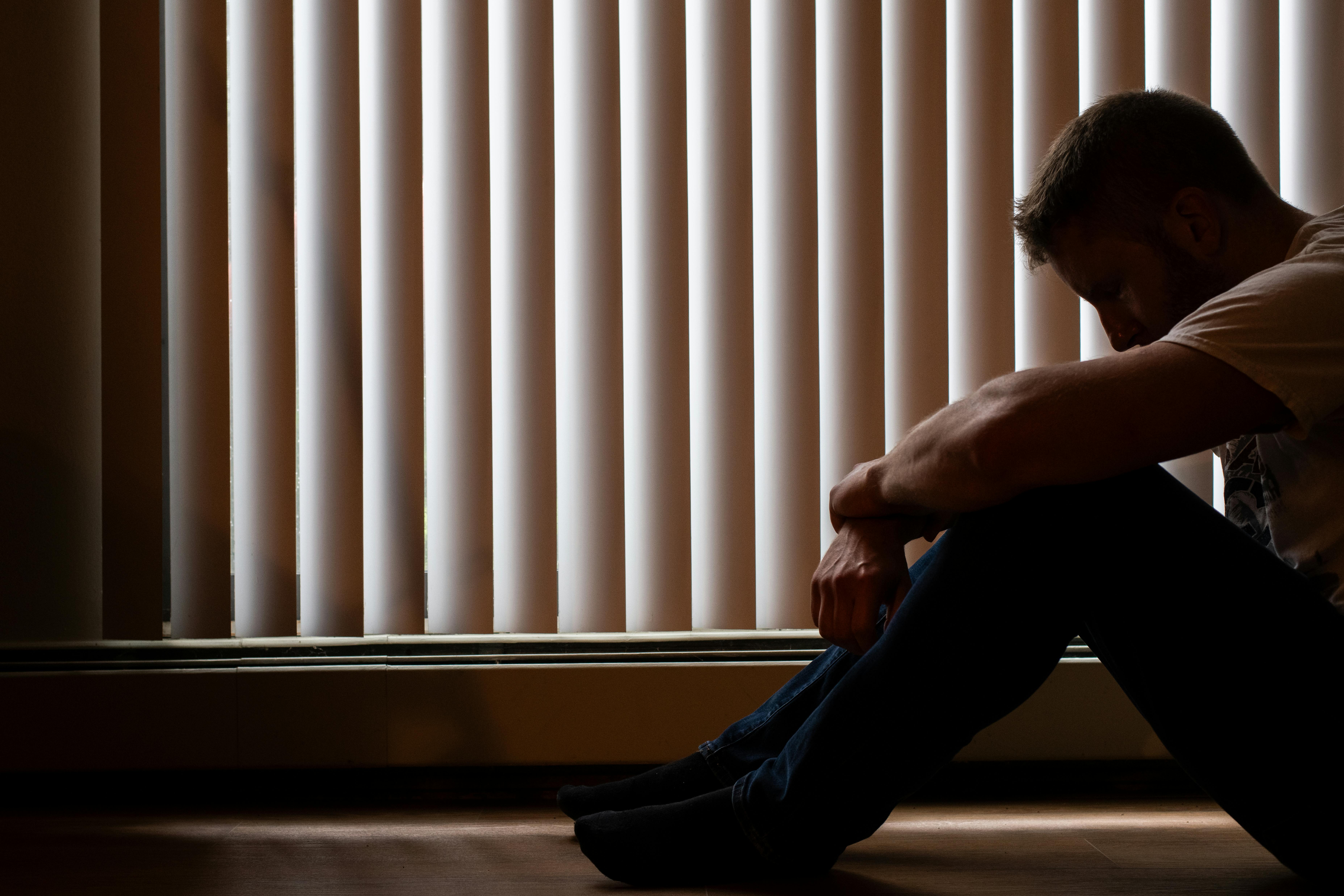
Why People Self-Harm
Self-harm is almost never about wanting to die, though the two get conflated constantly. It is usually a way of managing feeling, either too much of it, or a frightening absence of it.
It works, in the short term, which is precisely why it is hard to stop. Any approach that ignores what it is doing for you will fail.
- «Releasing unbearable emotional pressure when there is no other outlet
- «Feeling something, when numbness and disconnection have become intolerable
- «Turning invisible internal pain into something visible and locatable
- «Punishing yourself, where shame or self-blame has taken hold
- «Regaining a sense of control when everything else feels uncontrollable

What Self-Harm Looks Like in Delhi
In South Delhi the people who come for this are very often students in the years around board exams, college entrance and the first years of university, when the pressure is heaviest and the sense of having no say over your own life is strongest. Cutting is the most common form, but scratching, burning, hitting walls, pulling hair, and deliberately reckless behaviour all appear. It is hidden well. Long sleeves in May, locked bathroom doors, and a sudden refusal to swim are the things families notice afterwards and wish they had understood sooner.
Adults self-harm too, and they are far less likely to seek help because the shame is compounded by the belief that it is something only teenagers do. Married women managing a joint household, men in high-pressure jobs who cannot show strain anywhere else, and people who started as adolescents and never stopped all sit in this room. Age does not make it less deserving of care.

How This Is Approached
Nobody will ask you to promise to stop. Promises extracted under pressure break, and the breaking adds shame.
- «Understanding the function first, what it manages, and when the urge arrives
- «Building other ways to manage the same feeling, before removing the one that works
- «Reducing frequency rather than demanding immediate cessation, which is what actually holds
- «Safety planning, in practical terms, for the moments when the urge is strongest
- «Working on what sits underneath, whether trauma, shame, or an unbearable home or work situation
- «Addressing the shame about self-harming, which frequently drives the next episode

What Happens in the First Session
The first meeting is a conversation, not an examination. You are not asked to show anything, and you are not asked to explain yourself before you are ready. Taanya will want to understand roughly how long this has been going on, what tends to come before an episode, what happens after, whether anyone knows, and whether there are thoughts of suicide alongside the self-harm. That last question is asked directly and calmly, because it needs to be, and the answer changes what happens next rather than ending the conversation.
You leave the first session with a simple plan for the next bad evening, an honest sense of whether this is the right place for you, and, if it is not, a clear suggestion of where to go instead. Nobody is turned into a case. Where the risk is high, a psychiatrist is brought in with your knowledge, and counselling continues alongside.

Techniques That Help Between Sessions
The work in the room is only part of it. Most people need something for the twenty minutes when the urge is loudest, and that is built together early. It may include grounding and breathing practices, EFT tapping, a short written script for what to say to yourself, a list of people you can message, delay tactics that let the wave pass, and safer substitutes agreed for the transition period. Hypnotherapy can help some people with the automatic quality of the urge once the basics are in place. None of these is a cure. They are ways of buying time until the feeling underneath has somewhere else to go.

A Note for Families
If you have discovered that someone you love is self-harming, your reaction matters enormously. Anger, tears and ultimatums are understandable, and they teach the person to hide it better. Calm, non-judgemental concern keeps the conversation open. Family sessions are available, and are often useful.
Parents in particular often want to know what they did wrong. Sometimes there is a real answer to that, and it is worked through without blame. Often there is not, and the more useful question is what you can do now. Removing sharp objects, checking the body, and monitoring a phone tend to increase secrecy rather than safety. Keeping the relationship warm, so that the young person will actually tell you when it is bad, is worth more than any amount of surveillance.
25+
Years
5000+
Lives Touched
30+
Modalities
15+
Countries
Self-Harm Counselling Across Delhi NCR
Questions & Answers
Everything you need to know before booking your first session.
Will you tell my family?+
For adults, no. Sessions are confidential. The exception, explained to you at the outset, is where there is serious and immediate risk to life. For minors, some parental involvement is usually necessary and would be discussed with you first.
Do I have to stop straight away?+
No. Being asked to stop immediately, with nothing to replace it, is why most attempts fail. The work builds alternatives first and reduces reliance gradually.
Is self-harm the same as being suicidal?+
They are different, though they can co-exist. Self-harm is most often about coping with life rather than ending it. If suicidal thoughts are present too, that is addressed directly and openly.
Is it too late? I have done this for years.+
No. Long-standing self-harm responds to counselling, and people stop after many years. Duration is not a good predictor of outcome.
Do I need to see a psychiatrist as well?+
Not always, but sometimes. Counselling is not psychiatric treatment and does not involve diagnosis or medication. If the self-harm is frequent and severe, if there is a serious depression or another condition underneath it, or if suicidal thinking is present, a psychiatric assessment is recommended and can be arranged. Counselling continues alongside it.
Related Reading