Why Can't I Sleep? Insomnia and the Anxiety Loop
There is a particular kind of exhaustion that comes from lying awake knowing exactly how many hours remain before the alarm. You have read the advice. You have put the phone away, avoided coffee, kept the room dark. And still the mind wi...
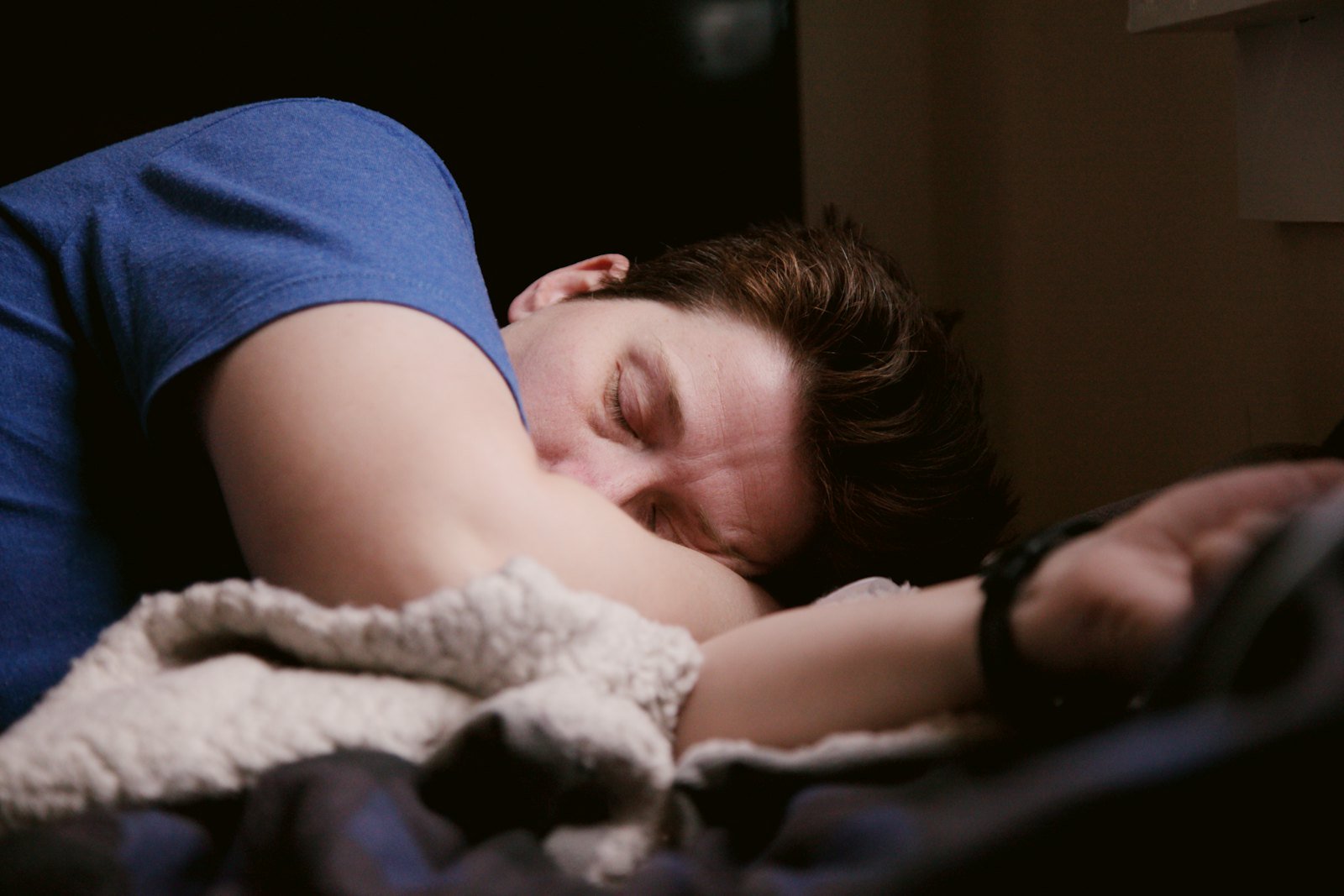
“There is a particular kind of exhaustion that comes from lying awake knowing exactly how many hours remain before the alarm. You have read the advice. You have put the phone away, avoided coffee, kept the room dark. And still the mind will not stop.”
Treatment & Support

The Loop
It usually starts with something real — a stressful period at work, an illness, a bereavement, a new baby. Sleep is disturbed for a legitimate reason.
Then the second stage begins. You start worrying about not sleeping. Bedtime becomes something you approach with apprehension. The bed itself becomes associated with lying awake rather than with rest. And anxiety about sleeplessness is itself arousing, which guarantees more sleeplessness.
At that point the original cause may be entirely resolved and the insomnia continues on its own. The worry about sleep has become the thing keeping you awake.

Why Trying Harder Makes It Worse
Sleep is one of the few things that cannot be achieved through effort. Every attempt to force it increases arousal, which is the opposite of what sleep requires. Watching the clock, calculating remaining hours, and telling yourself you must sleep now are all reliable ways to stay awake.

Why the Mind Races at Night
During the day there is enough distraction to keep unprocessed thoughts at bay. Lying still in the dark removes every distraction at once, and everything that has been waiting arrives together.
This is why people with otherwise well-managed anxiety often find that night is when it surfaces. It is not that the anxiety is worse at night — it is that nothing else is competing for attention.

What Actually Breaks the Cycle
Breaking the association between bed and wakefulness matters more than any single technique. That means getting up if you have been lying awake a long while, and returning only when sleepy — retraining the bed as a place where sleep happens.
Addressing the underlying arousal matters more still. This is where clinical hypnotherapy is particularly useful, because it works directly on the anticipatory anxiety around bedtime, which is the part that willpower cannot reach. Relaxation techniques, breathing work and where relevant EFT help settle an overstimulated nervous system.
Where the insomnia is a symptom of depression, grief or an anxiety disorder, treating that is what resolves the sleep.

When to See a Doctor
Please consult a doctor rather than a therapist first if your sleeplessness came on suddenly and severely, if your partner reports that you stop breathing during sleep or snore heavily, if you fall asleep involuntarily during the day, or if you have persistent pain. Sleep apnoea and other medical causes need medical diagnosis, and no amount of therapy will address them.
25+
Years
5000+
Lives Touched
30+
Modalities
15+
Countries
Why Can't I Sleep? Insomnia and the Anxiety Loop Across Delhi NCR
Questions & Answers
Everything you need to know before booking your first session.
How much sleep do I actually need?+
Most adults need seven to nine hours, but there is real individual variation. A more useful measure than hours is how you function during the day. Anxiety about hitting a specific number is itself a common contributor to insomnia.
Do sleeping tablets help?+
They can be useful short-term and are a matter for your doctor. They tend not to resolve long-term insomnia because they do not address what is causing the arousal, and some carry dependency risks. Never start or stop them without medical advice.
Why do I sleep fine on holiday?+
Because the anticipatory anxiety is absent. This is one of the clearest signs that insomnia is being maintained by arousal rather than by an inability to sleep, and it is a good prognostic sign.
Can hypnotherapy really help with sleep?+
It is well suited to it, because the problem sits in exactly the layer hypnotherapy works with — the automatic association between bed and alertness, and the anticipatory worry that precedes it. Most people notice change in the relationship with bedtime before they notice a change in total hours slept.
Related Reading